
US-Israel Strikes Hit Iranian Port Near Strait of Hormuz – Day 29 of the War Triggers Global Oil Shock, Higher Fuel Prices in India
Higher Fuel Prices in India: Day 29 of the War Triggers Global Oil Shock
Imagine waking up to news that could add ₹10–20 to every litre of petrol you fill up next week. Or watching oil prices spike while ships carrying one-fifth of the world’s crude sit stranded because a narrow stretch of water has become a war zone. That’s exactly what’s happening right now on 29 March 2026 — and it’s easily the biggest, most viral news story of the day.
The US and Israel have launched fresh, intense strikes on Iranian targets, including a quay at a key port city right next to the Strait of Hormuz. Iranian state media reports at least five people killed. In response, Iran-backed Houthi rebels in Yemen have fired ballistic missiles toward Israel — their first direct involvement in this phase of the conflict. The Pentagon is reportedly preparing contingency plans for ground operations, including possible raids near the Strait.
Meanwhile, massive “No Kings” protests are sweeping across America against President Trump’s handling of the war. This isn’t just another Middle East flare-up. The Strait of Hormuz is the jugular vein of global energy. Close it or threaten it seriously, and the entire world feels the pain — higher fuel costs, rising inflation, stock market jitters, and supply chain chaos. For India, the world’s third-largest oil importer, the stakes couldn’t be higher.
Let’s dive deep into this fast-moving story — what exactly happened today, how we got here, the dramatic statements flying around, the human cost, the economic ripple effects (especially for India), and what might happen next. Buckle up — this one is going to affect your wallet, your travel plans, and possibly the price of almost everything you buy.
Day 29: What Happened in the Last 24 Hours
Early on 29 March, US-Israeli forces struck a strategic Iranian port facility near the Strait of Hormuz. The target was a quay (loading dock) used for energy and military logistics. Iranian media described it as a direct hit on civilian-adjacent infrastructure, reporting five deaths and several injuries.
This comes after weeks of escalating exchanges that began with major US-Israeli airstrikes in late February. The conflict has already claimed hundreds of lives, damaged nuclear and industrial sites, and forced Iran to threaten — and partially disrupt — shipping through the vital strait.
Iran’s response was swift and multi-pronged:
- Houthi forces in Yemen claimed responsibility for launching ballistic missiles at Israeli targets — the first such strikes since the war intensified.
- Iranian officials warned of a “heavy price” and said further attacks on their territory would make regional energy and water infrastructure “legitimate targets.”
On the US side, the Pentagon is actively planning for possible ground operations. Reports suggest preparations for raids on Kharg Island and coastal sites near the Strait of Hormuz, though President Trump has not yet given final approval. Meanwhile, the USS Tripoli amphibious ready group — carrying 2,500 sailors and US Marines — has arrived in the region to help secure shipping lanes and support operations.
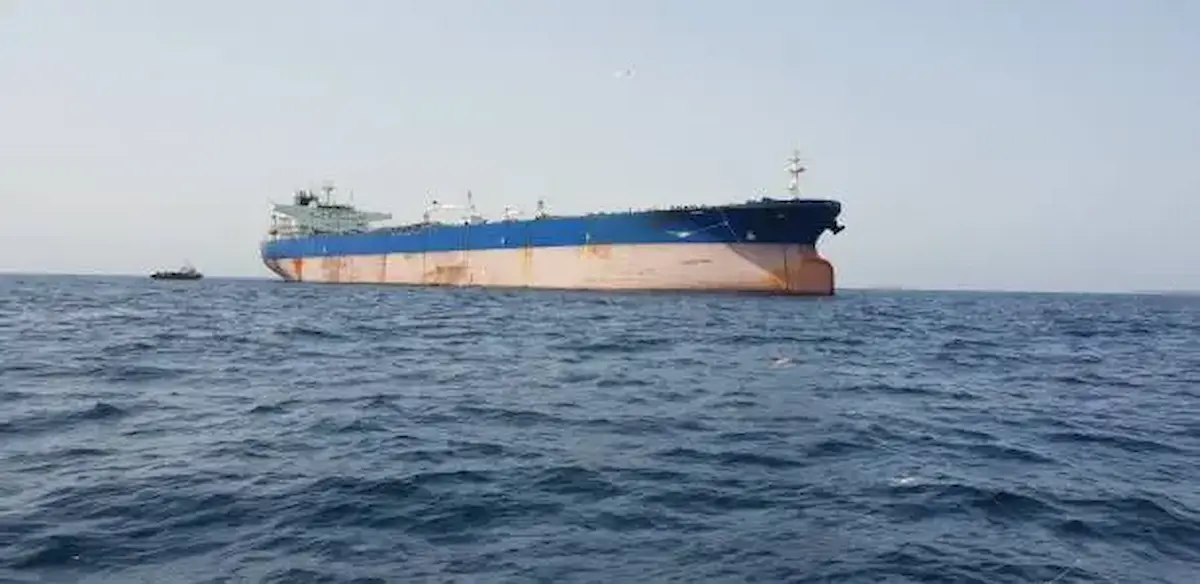
The Strait of Hormuz remains largely locked down or heavily threatened. Iran has used fast boats carrying mines and small vessels to harass tankers, making commercial shipping extremely risky. Over 1,000 seafarers have reportedly contacted international maritime authorities seeking help while stuck in the area.
Trump’s Words Add Fuel to the Fire
President Trump made headlines again with a speech in which he appeared to call the Strait of Hormuz the “Strait of Trump” before correcting himself. He also claimed Iran is “begging” for a peace deal and criticized NATO allies for not helping secure the waterway despite America spending “hundreds of billions” protecting global trade routes.
The remark went instantly viral — supporters cheered the tough talk, while critics called it reckless provocation that could make de-escalation harder. Iran’s leadership responded angrily, calling it another example of American arrogance. At the same time, huge “No Kings” protests erupted across the United States.
Organizers claim millions took to the streets in over 3,000 events nationwide — one of the largest single-day protest waves in recent American history. Demonstrators are opposing the war in Iran, Trump’s immigration policies, and what they describe as rising authoritarian tendencies. Celebrities and ordinary citizens alike joined rallies from coast to coast, with some events featuring performances and powerful speeches against endless foreign conflicts.
Why the Strait of Hormuz Matters So Much
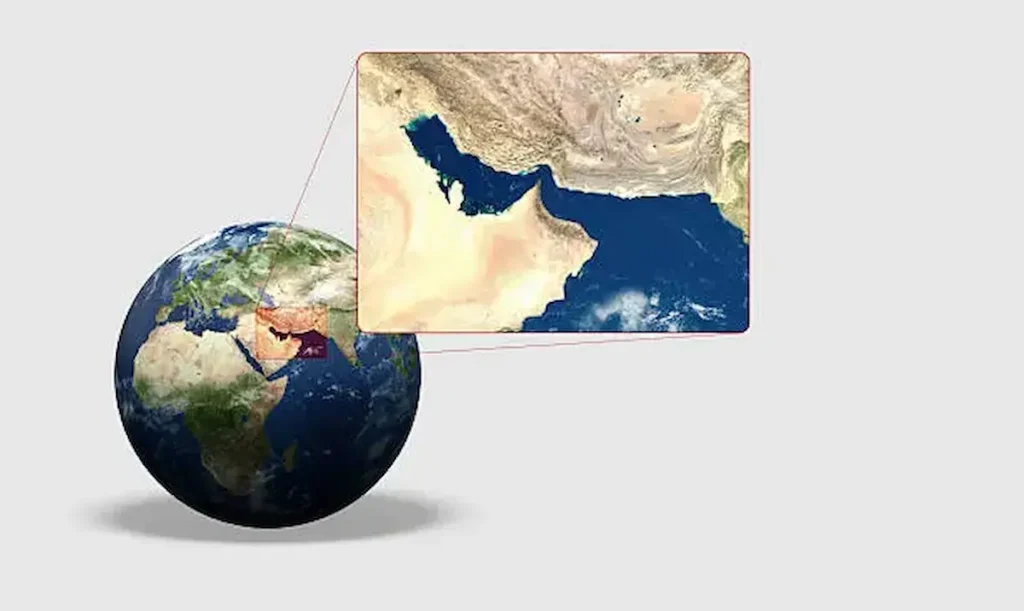
Here’s the scary part most people don’t fully grasp until prices at the pump jump. The Strait of Hormuz is a narrow waterway between Iran and Oman. Before the war, it carried about 20–30% of the world’s daily oil supply — roughly 20–21 million barrels per day. Tankers loaded with crude from Saudi Arabia, Iraq, UAE, Kuwait, and Iran itself pass through this chokepoint every single day.
When Iran threatens or disrupts traffic here (using mines, fast boats, or direct warnings), insurance costs for tankers skyrocket, shipping companies reroute or halt operations, and global oil markets panic. Even partial disruption can send Brent crude prices up $10–20 per barrel in days.
We’re already seeing the early effects:
- Oil futures surged today.
- Gold prices jumped as investors sought safety.
- Airline and shipping stocks took a hit.
- Concerns are rising about knock-on effects on food prices (fertilizer and raw material shipments are also affected).
A United Nations task force has been formed to try and keep essential humanitarian and agricultural shipments moving safely.
Special Impact on India – What Should You Expect?
India imports nearly 85% of its crude oil, with a large chunk coming from the Middle East. Any sustained spike in global oil prices hits us hard:
- Petrol and Diesel: Expect upward pressure at pumps within days to weeks. Even a $10–15 per barrel rise can translate into ₹5–15 extra per litre depending on how long the crisis lasts and government intervention.
- LPG and Cooking Gas: Higher crude costs often flow through to domestic fuel prices.
- Transportation & Logistics: Truckers, airlines, and delivery services will face higher costs — which eventually get passed on to consumers.
- Inflation: Overall price levels could rise, affecting everything from groceries to manufactured goods.
- Rupee & Stock Market: A weaker rupee and volatile Sensex/Nifty are likely as foreign investors watch energy costs closely.
- Strategic Reserves: The government may release oil from strategic petroleum reserves or ramp up purchases from alternative sources (Russia, US, etc.) to cushion the blow.

PM Modi and the Petroleum Ministry are closely monitoring the situation. Sources say contingency plans are being activated, including diplomatic efforts to keep supply lines open and possible increases in domestic production or alternative imports. For ordinary Indians, especially in cities like Ranchi where fuel and transport costs already pinch household budgets, this could mean tighter finances in the coming months unless the conflict de-escalates quickly.
How Did We Get Here? A Quick Timeline of the 2026 Iran War
The current escalation traces back to late February when major US-Israeli strikes began targeting Iranian nuclear and military sites. The conflict has widened dramatically:
- Strikes on Tehran and other cities
- Damage to industrial and energy infrastructure
- Involvement of proxies like the Houthis
- Threats to close key shipping lanes
- Rising death toll on multiple sides
Both sides have suffered losses. Iran has retaliated with missiles and drones, while the US-Israel coalition has conducted repeated airstrikes. Casualties have mounted, with reports of civilian deaths adding to the tragedy.
What Happens Next? Possible Scenarios
Analysts are weighing three broad paths:
- Contained Escalation: Iran responds through proxies (missiles from Yemen, pressure via Hezbollah) without full direct war. Shipping disruptions remain partial. Oil prices stay elevated but don’t explode higher.
- Major Disruption: Iran successfully restricts traffic through Hormuz for weeks. Global oil prices surge dramatically, triggering inflation worldwide and forcing emergency diplomacy.
- Broader Conflict: Ground operations or wider regional involvement (Lebanon, Gulf states) turn this into a full-scale war with catastrophic economic and humanitarian consequences.
Trump has extended some deadlines for Iran to reopen shipping lanes, but trust is low on all sides. Pakistan has reportedly helped mediate limited ship passages, showing how complex the diplomacy has become.
The Human and Global Cost
Behind the headlines are real people — seafarers stuck on ships near the strait, families in Iran mourning losses, soldiers on both sides facing danger, and ordinary citizens worldwide worrying about rising living costs. The war has already caused a humanitarian strain, with concerns about radiation risks at nuclear sites (though officials say no major leaks have occurred so far) and disruptions to food and fertilizer supplies.
Final Thoughts: Why This Story Is Exploding Everywhere
This news is going mega-viral because it combines:
- High-drama military action with real-time developments
- Direct pocketbook impact (fuel prices)
- Involvement of big personalities (Trump, Netanyahu, Iranian leaders)
- Global protests and celebrity involvement
- Deep uncertainty about the future
People aren’t just reading — they’re anxious, angry, and debating what it means for peace, energy security, and everyday life. As the situation evolves hour by hour, one thing is clear: the world is watching the Strait of Hormuz very closely. A single tanker incident or major retaliatory strike could push prices even higher and prolong the pain.
Stay informed from trusted sources. Avoid spreading unverified videos or claims that could add to panic. And if you’re feeling the pinch already — higher transport costs or anxiety about fuel bills — you’re not alone. Millions around the world are in the same boat.
What are your thoughts? Do you think this conflict will de-escalate soon, or are we heading toward a longer energy crisis? How is it already affecting your city or daily routine? Share in the comments and pass this article along if it helped you understand the big picture. The coming days will be critical. Keep watching reliable updates — because when the Strait of Hormuz sneezes, the entire global economy can catch a cold.






One Comment