
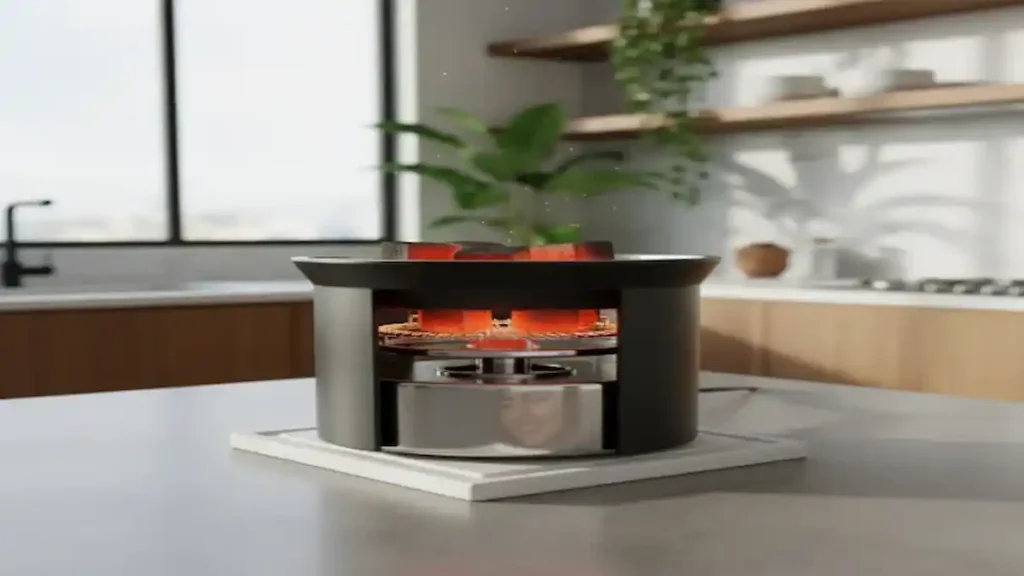
The Severe LPG Crisis of 2026: Cooking fuel prices have become a growing concern for many Indian households in 2026. Global supply disruptions, shipping instability, and increasing dependence on imported LPG have created uncertainty in fuel availability and pricing across several regions. As a result, both domestic and Commercial LPG cylinders prices have seen noticeable increases in recent months (LPG fuel crisis Now: The Ultimate Electric Charcoal Burner Guide 2026).
For middle-class families, small food vendors, students, and rural households, rising fuel costs directly affect daily expenses. Many people are now searching for low-cost backup cooking and heating alternatives that are safer, simpler, and easier to operate during emergencies or supply disruptions.
One product gaining attention during this period is the Electric Charcoal Burner — a compact electrical appliance designed for charcoal ignition, light cooking, and localized heating without depending on LPG cylinders. Unlike traditional coal stoves or kerosene systems, modern electric burners offer cleaner operation, easier maintenance, and significantly lower day-to-day inconvenience.
This guide explains how electric charcoal burners work, their safety mechanisms, operating costs, practical applications, and whether they are a realistic alternative during periods of rising LPG prices in 2026.
No LPG Crisis Now: The Ultimate Electric Charcoal Burner Guide 2026
Understanding the 2026 LPG Price Hike
Let us dive deeper into the root cause of the devastating April 2026 price hike. The global energy market panicked when key maritime corridors faced unexpected military blockades. Over 62 percent of India’s total cooking gas supply is heavily dependent on international imports. Insurance premiums for massive shipping tankers skyrocketed by over 500 percent overnight.
The government was forced to pass these crippling import costs down to the everyday consumer. Domestic gas rates instantly jumped, heavily shocking fixed middle-class household budgets. Commercial entities suffered an even worse fate with drastic hikes crossing Rs 195 per cylinder. This realistic timeline perfectly explains why finding a robust electric alternative is incredibly urgent.
How the Heating System (Electric Charcoal Burner) Works
The scientific principle behind the appliance is relatively simple. Inside the burner is a metal coil made from high-resistance material. When electric current flows through the coil, resistance converts electrical energy into thermal energy. This process rapidly generates heat.
The heat then transfers directly to:
- Charcoal
- Metal utensils
- Small cooking vessels
Most household models operate between 500W and 1000W. Lower wattage models consume less electricity and are suitable for small tasks, while higher wattage models provide faster heating.
Modern burners also include insulation systems that prevent electric leakage and reduce overheating risk. Some units contain thermal cut-off mechanisms that automatically control excessive temperature rise.
Because the system uses direct resistance heating, the appliance can begin producing usable heat within a very short time.
Gone are the stressful days of struggling with matchsticks, dirty coal, or dangerous gas leaks. This simple appliance guarantees a highly likable and entirely hassle-free heating experience. It is a brilliant modern marvel that blends traditional utility with cutting-edge electrical safety.
The Scientific Principle of Working
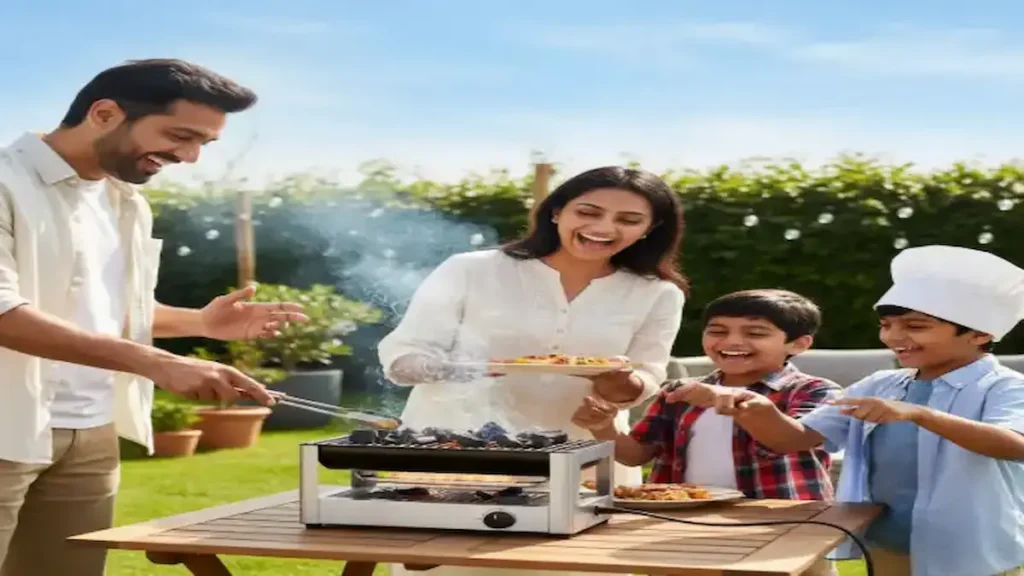
The working principle of this amazing device is wonderfully simple and highly realistic. It utilizes a high-quality metal heating coil, generally rated between 500W and 1000W. When electricity flows through this coil, electrical resistance safely generates incredibly intense heat. This clean heat is directly transferred to the charcoal or cooking vessel placed right on top.
It uses standard conduction and mild radiation to provide steady, uniform heating almost instantly. An intelligent internal thermostat completely prevents any form of dangerous overheating. Once the optimal operating temperature is reached, it automatically maintains the heat seamlessly. This clever scientific mechanism ensures maximum thermal efficiency with absolutely zero wasted energy.
Safety Features in Modern Electric Burners (100% Safe)
Safety is one of the main reasons many users prefer electric burners over traditional coal or kerosene systems. Modern appliances are designed with multiple protection features, including:
Electrical Insulation
The internal heating coil is separated from the outer body using heat-resistant insulation materials. This reduces the possibility of electric shock.
Stable Metal Body
Most burners use steel or cast-metal construction to maintain stability during operation.
No Open Fuel Storage
Unlike kerosene stoves or LPG cylinders, electric burners do not require storage of combustible liquid or pressurized fuel.
Reduced Smoke Generation
Traditional coal ignition methods produce excessive smoke during startup. Electric ignition minimizes this issue significantly.
Overheating Protection
Many advanced models include thermal safety systems that regulate excessive heat buildup. However, users should still follow standard precautions:
- Keep away from water
- Avoid touching active coils
- Use grounded sockets
- Keep children away during operation
- Never leave unattended for long durations
When used responsibly, electric burners are generally safer than many traditional low-cost heating alternatives.
Cost and Electricity Consumption
One of the biggest advantages of electric charcoal burners is affordability.
In India, most household models cost between:
- ₹500 to ₹2000 depending on:
- wattage
- material quality
- brand
- safety features
Their operating cost is also relatively manageable.
For example:
A 500W burner running for one hour consumes: 0.5 units of electricity. Even with moderate electricity pricing, occasional daily usage remains economical for many households. Compared to rising LPG refill costs, many users consider electric burners a practical secondary heating option rather than a complete replacement.
They are especially useful during:
- LPG shortages
- delayed cylinder delivery
- emergency cooking situations
- temporary accommodation
- outdoor usage
Electric Charcoal Burner vs LPG
LPG Advantages
- Better for full-scale cooking
- Faster heating for large meals
- Widely used in Indian kitchens
Electric Burner Advantages
- No dependency on cylinder delivery
- Lower initial investment
- Portable and compact
- No gas leakage risk
- Easier backup solution
For heavy daily cooking, LPG remains more practical. However, electric burners work well as emergency or supplementary heating systems.
Electric Burner vs Induction Cooktop
Induction cooktops are efficient but require special flat-bottom cookware. They are also sensitive to uneven surfaces and rough handling. Electric charcoal burners are mechanically simpler and more rugged.
Advantages over induction include:
- Works with uneven charcoal
- Lower repair complexity
- Better portability
- Lower purchase cost
- Durable metal body
However, induction systems remain more energy-efficient for regular cooking applications.
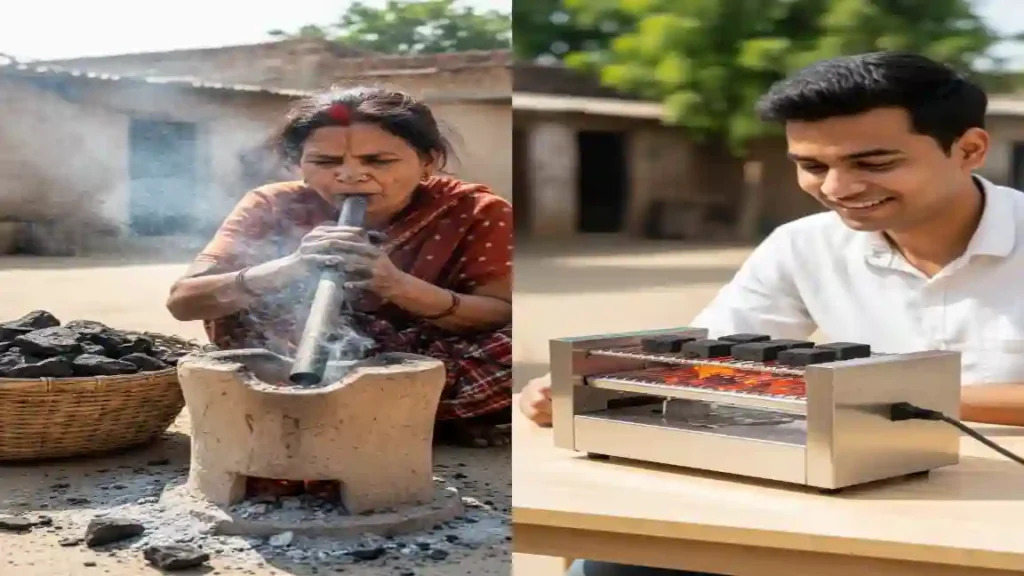
Electric Burner vs Traditional Coal Chulha
Traditional coal stoves create several problems:
- Smoke pollution
- ash generation
- difficult ignition
- respiratory irritation
- poor indoor air quality
Electric burners simplify the ignition process significantly while reducing smoke exposure.
They also:
- reduce physical effort
- improve kitchen cleanliness
- minimize indoor pollution
- save time
This makes them particularly useful for urban households where ventilation is limited.
Electric Burner vs Kerosene Stove
Kerosene stoves were once common, but they are increasingly viewed as outdated due to:
- fire risk
- odor
- maintenance issues
- fuel adulteration
- smoke generation
Electric burners eliminate liquid fuel handling completely. Users no longer need:
- fuel pumping
- wick maintenance
- kerosene storage
This improves convenience and indoor safety.
Maintenance requirements are relatively simple. Users should:
- unplug after use
- allow cooling before cleaning
- remove ash residue regularly
- avoid water exposure
- inspect power cords periodically
With basic care, quality burners can function for years without major maintenance expenses. Because the internal mechanism is comparatively simple, local repairs are also easier than many advanced electronic appliances.
Are Electric Charcoal Burners Worth Buying in 2026?
For many households, the answer is yes — especially as a backup appliance.
They are not intended to completely replace LPG systems for large families or heavy cooking needs. However, they provide a practical alternative during emergencies, rising fuel prices, or temporary supply disruptions.
Their biggest strengths are:
- affordability
- portability
- ease of use
- low maintenance
- independence from fuel delivery systems
For students, small vendors, tenants, and middle-class households, these devices can offer both convenience and financial flexibility.