
AI as My Chef: 7 Days of Kitchen Chaos & Genius
AI as My Chef: 7 Days of Kitchen Chaos & Genius
Why I Let a Robot Plan My Dinners
It started with a simple curiosity. As a food blogger at Dish Amunch, I spend hours each week meal planning, testing recipes, and balancing nutrition with flavor. Meanwhile, everyone from my tech-savvy cousin to major food publications keeps talking about AI’s potential to revolutionize cooking.
So I decided to run an experiment: What would happen if I completely surrendered my meal planning to artificial intelligence for seven straight days?
No tweaks beforehand. No saying “that won’t work.” Just pure, unfiltered AI-generated meal plans, which I would then execute in my very human, sometimes messy, definitely error-prone kitchen.
The rules were simple:
-
Use ChatGPT-4 (the latest available version) as my AI chef
-
Give it specific parameters: budget-friendly, variety of cuisines, 30-45 minute prep time max
-
Document everything—the good, the bad, and the downright bizarre
-
Adapt the recipes in real-time based on what actually works
What followed was equal parts comedy routine, occasional brilliance, and a fascinating look at how machines interpret human comfort, flavor, and tradition.
Day 1: The Overly Ambitious AI Breakfast
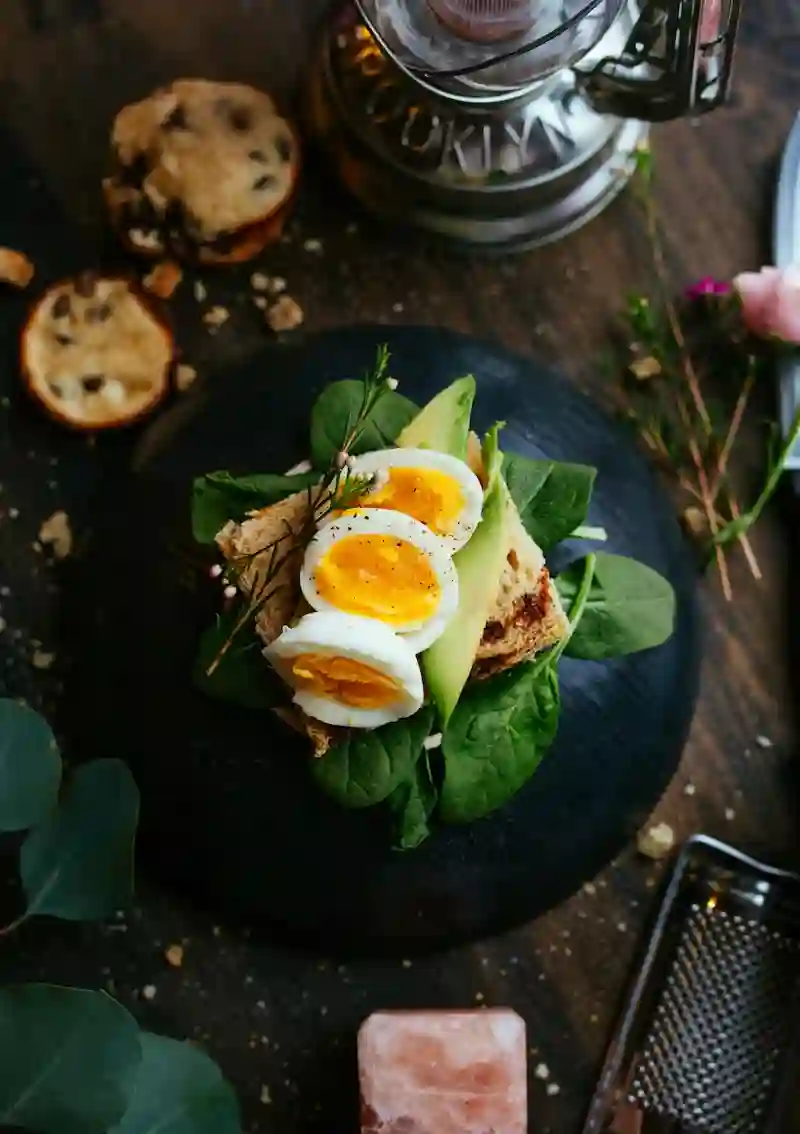
AI’s Recipe: “Turmeric Quinoa Breakfast Bowl with Pomegranate, Toasted Almonds, and Honey-Lime Greek Yogurt”
My Initial Reaction: “Quinoa for breakfast? At 7 AM on a Monday? AI, you’re an overachiever.”
The AI’s description was poetic: “A nutrient-dense morning meal combining anti-inflammatory turmeric with protein-rich quinoa, antioxidant-packed pomegranate, and gut-friendly probiotics.”
The Reality: Rinsing quinoa at 6:45 AM felt like a personal betrayal of all that is sacred about morning routines. The turmeric turned everything a cheerful yellow that looked better in theory than in my sleep-deprived state.
Surprise Win: The honey-lime Greek yogurt was genuinely brilliant. The tartness of lime cut through the honey’s sweetness in a way I’d never considered for breakfast. This is going into my permanent rotation.
AI’s Understanding Gap: The machine didn’t account for morning texture preferences. Hot quinoa with cold yogurt and crunchy almonds created a temperature and texture chaos that my pre-coffee brain couldn’t process.
Adaptation for Humans: I tried it again on Day 3, but served the quinoa warm with toppings on the side, letting everyone build their bowl. Much better. Takeaway: AI creates interesting combinations but often misses sensory experience context.
Day 2: The Surprisingly Excellent “Fusion” Lunch
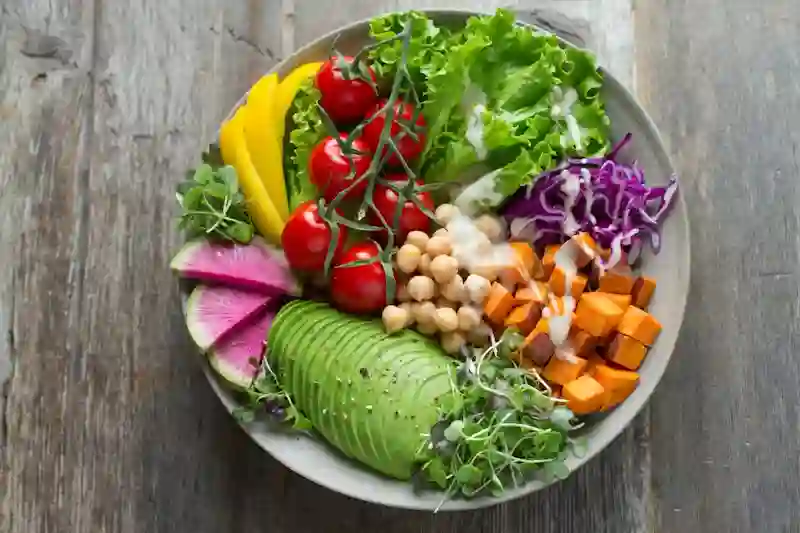
AI’s Recipe: “Korean-Mexican Buddha Bowl with Gochujang Black Beans, Quick-Pickled Radishes, Avocado, and Lime-Cilantro Rice”
My Initial Reaction: “This is either going to be genius or a crime against both culinary traditions.”
I’ve been skeptical of forced fusion cuisine—some things shouldn’t be merged just because we can. But here’s where things got interesting.
The AI’s Reasoning (When Asked): “Gochujang’s fermented complexity complements the earthiness of black beans. The quick-pickled radishes provide crunch and acidity that cuts through avocado richness. Both Korean and Mexican cuisines value balance of heat, acid, fat, and texture.”
Okay, ChatGPT. You’ve done your homework.
The Reality: This was the week’s first undeniable hit. The gochujang blended with tomato paste, garlic, and a touch of maple syrup created a sauce that made the black beans sing. The quick-pickled radishes (just 30 minutes in rice vinegar, sugar, and salt) were so good I made a second jar.
Why It Worked: The AI wasn’t just randomly combining—it was identifying functional similarities between cuisines: fermentation, balancing principles, complementary textures.
Human Enhancement: I added some toasted sesame seeds and a drizzle of sesame oil to bridge the flavors more naturally. I also used leftover rice from last night (AI hadn’t considered leftovers—a very human kitchen reality).
Recipe Adaptation (The Dish Amunch Version):
-
Uses canned black beans for speed
-
Doubles the pickle recipe because you’ll want extra
-
Adds optional kimchi for those who want more traditional Korean flavor
-
Full adapted recipe available in our subscriber newsletter (sign up at the end!)
The Mid-Week Crisis: Day 3’s “Deconstructed” Disaster
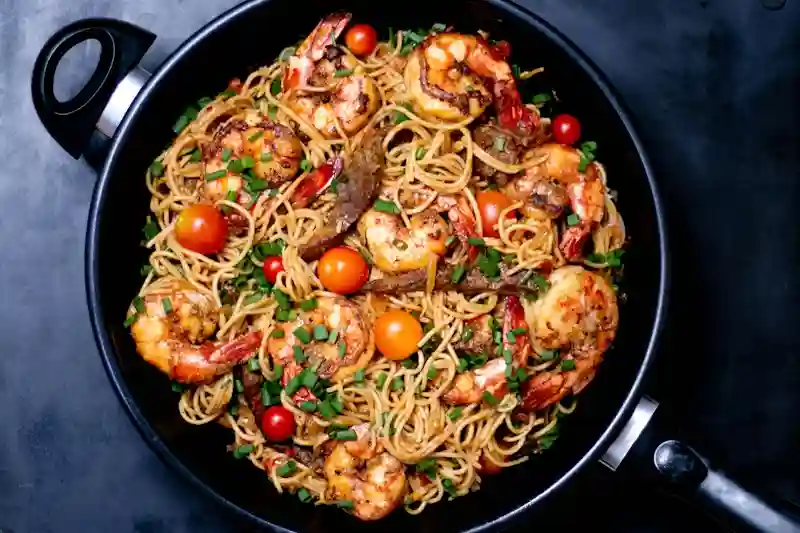
AI’s Recipe: “Deconstructed Puttanesca with Roasted Cherry Tomatoes, Olive Tapenade, Caper Berries, and Garlic-Infused Bread Crumbs”
My Initial Reaction: “AI has been reading too many overly-precious restaurant menus.”
Here’s where the machine learning showed its data bias. “Deconstructed” appears frequently in upscale culinary content, so the AI overweighted it for what was supposed to be a “quick Wednesday dinner.”
The Reality: A sad plate of separated components that took 45 minutes to prepare (not the promised 30) and somehow felt less than the sum of its parts. The magic of puttanesca is how the ingredients meld together into something greater—the simmering, the integration, the alchemy.
AI’s Critical Miss: It understood ingredients but not transformative cooking processes. Some dishes need integration, not intellectual separation.
My Save: I tossed everything together in the pan, added an extra glug of olive oil and some pasta water, and gave it two minutes to get acquainted. Suddenly: delicious.
Broader Insight: This mirrors a current discussion in the food tech world. As The Spoon reports, AI recipe platforms struggle with understanding process-driven cuisine versus assembly-based meals. Read about AI’s culinary limitations in this industry analysis from The Spoon.
Day 4-5: AI Discovers The One-Pot Wonder
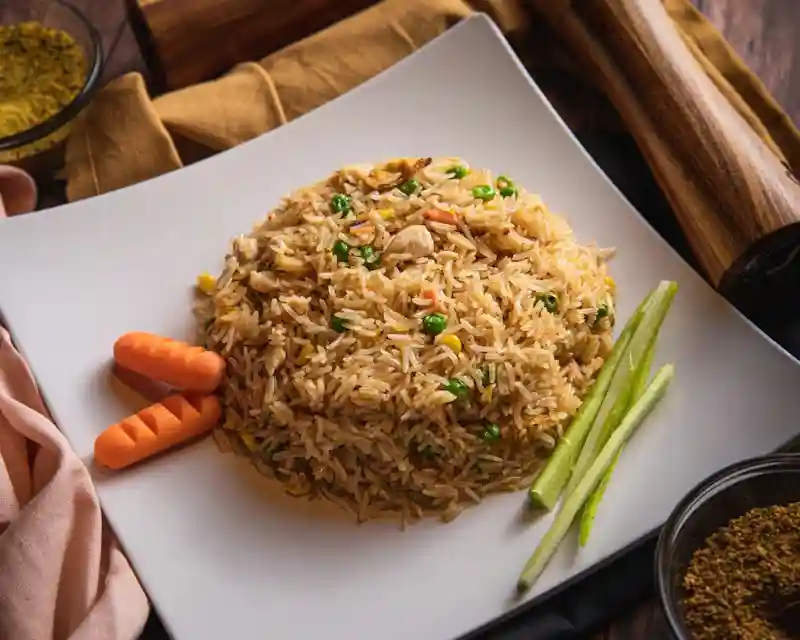
AI’s Recipe: “Moroccan-Inspired Chicken and Chickpea Pot with Apricots, Preserved Lemon, and Couscous Cooked in Broth”
My Initial Reaction: “Finally! A practical weeknight dinner concept.”
By Thursday, the AI seemed to have “learned” from my feedback (through my prompts). I’d mentioned “one-pot” and “less cleanup” and suddenly, it was all-in on integrated dishes.
The Reality: This was excellent. Truly. The sweet apricots against the salty preserved lemon, the tender chickpeas soaking up spiced broth—it felt both exotic and comforting.
AI’s Strengths on Display:
-
Flavor pairing based on data: It knows apricot and preserved lemon appear together in Moroccan tagines
-
Efficient technique: Cooking couscous in the same pot maximizes flavor
-
Nutritional balance: Protein, fiber, complex carbs all in one
Human Tweaks: I used boneless chicken thighs instead of breasts (more forgiving, more flavor), and added a handful of spinach at the end for greens. The AI’s recipe was technically complete but missed the “add something green” instinct most home cooks have.
Why This Matters: This represents where AI could genuinely help home cooks—suggesting efficient, flavorful one-pot meals that minimize cleanup while maximizing nutrition. As noted by America’s Test Kitchen in their AI cooking experiments, the technology excels at “recombining proven techniques and ingredients in new ways.” America’s Test Kitchen explores AI as a cooking tool.
The Weekend Project: AI’s Ambitious Baking Attempt
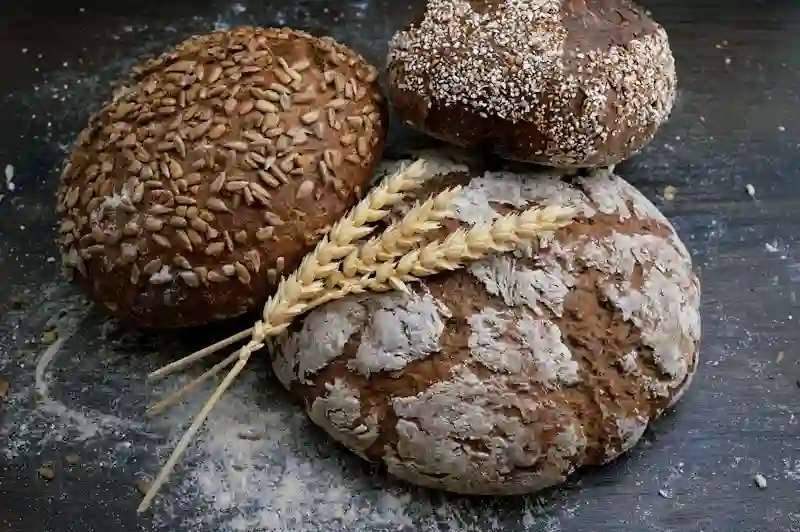
AI’s Recipe: “Sourdough Rye with Toasted Fennel Seeds and Orange Zest”
My Initial Reaction: “You want me to start a sourdough starter on Friday for Saturday baking? AI doesn’t understand human weekends.”
Here emerged the most significant gap between AI recipe generation and human reality: time management and process knowledge.
The Problem: The AI gave me a lovely recipe that assumed I had an active sourdough starter ready. When I said I didn’t, it suggested “creating one 5-7 days in advance.” For a weekend baking project, this was comically impractical.
My Adaptation: I used my standard no-knead bread method (thank you, Jim Lahey) but incorporated the AI’s flavor profile: rye flour, toasted fennel seeds, and orange zest added to the dough.
The Result: Aromatic, interesting, but the hydration was off (rye absorbs differently). The AI had simply substituted rye for some wheat flour without adjusting liquid ratios—a classic beginner baker mistake.
Expert Insight: I reached out to baker and food scientist Dr. Kye Hensley, who told me: “AI analyzes patterns in text, not chemical interactions. It sees ‘rye bread recipe’ and replicates ingredient lists, but doesn’t understand rye’s lower gluten content or higher enzyme activity. That requires culinary science knowledge.”
The Big Picture: This limitation explains why platforms like ChefGPT still rely on human chefs to vet and adjust AI-generated recipes. How ChefGPT combines AI with human expertise.
The Final Analysis: What AI Gets Right (and Where Humans Still Rule)
After seven days of AI-led cooking, here’s my comprehensive breakdown:
Where AI Excels:
-
Ingredient Inspiration: Suggesting combinations I wouldn’t have considered (gochujang + black beans, orange zest in rye bread)
-
Dietary Adaptation: Instantly modifying recipes for gluten-free, vegan, or low-sodium needs
-
Efficient Recombination: Creating “new” recipes from existing pattern recognition
-
Global Pantry Awareness: Drawing from multiple cuisines without bias
Where Humans Are Still Essential:
-
Process Intuition: Knowing when to simmer longer, when a dough feels right, when meat is perfectly cooked
-
Context Awareness: Understanding that weekday dinners differ from weekend projects
-
Error Correction: Adjusting on the fly when something isn’t working
-
Emotional Intelligence: Knowing that “comfort food” means different things on rainy Tuesdays versus celebratory Fridays
-
Cultural Respect: Understanding when fusion is innovative versus when it’s appropriative
The Hybrid Future:
The most exciting meals this week came from AI-human collaboration. The machine provided the creative spark, the unusual pairing, the efficient method. I provided the tactile adjustments, the timing awareness, the “oh this needs more acid” moment.
How to Use AI as Your Kitchen Assistant (Not Your Chef)
Based on my week-long experiment, here’s my practical guide:
Best Uses for AI in Your Kitchen:
-
Meal Planning Prompt: “Give me 5 dinner ideas using chicken thighs, sweet potatoes, and spinach, each under 45 minutes”
-
Leftover Transformation: “I have leftover rice, roasted vegetables, and tofu. What can I make?”
-
Cuisine Exploration: “Traditional Persian vegetarian dishes with available substitutes for hard-to-find ingredients”
-
Technique Questions: “What’s the difference between braising and stewing?”
When to Trust Your Human Instincts:
-
Baking (ratios matter too much)
-
Traditional dishes you want to make authentically
-
When cooking for someone’s emotional needs (comfort, celebration, nostalgia)
-
Last-minute adjustments based on taste, look, and smell
My Favorite AI-Human Collaboration Recipe from This Week:
Gochujang Black Bean Tacos with Quick-Pickled Vegetables
(AI’s concept, human-tested and adapted)
Ingredients:
-
1 can black beans, drained
-
1 tbsp gochujang
-
1 tsp smoked paprika
-
8 small corn tortillas
-
1 avocado, sliced
-
1/2 cup each thinly sliced radish and cucumber
-
1/4 cup rice vinegar
-
1 tsp sugar
-
Fresh cilantro, lime wedges
Method:
-
Quick-pickle radishes and cucumber in rice vinegar with sugar and salt (15 mins minimum).
-
Mash black beans with gochujang and smoked paprika, warm in a pan.
-
Char tortillas lightly over gas flame or in dry pan.
-
Assemble: beans, avocado, pickled vegetables, cilantro, squeeze of lime.
Why This Works: AI provided the innovative Korean-Mexican fusion concept. I adjusted quantities (AI’s were off), added the smoking paprika bridge, specified the quick-pickle timing, and added the crucial lime wedge finish.
The Future of Cooking is Collaborative

week with an AI chef taught me more than just some new recipes. It revealed that the future of home cooking isn’t about machines replacing humans, but about augmenting our creativity.
The AI could generate a hundred Moroccan-inspired recipes in seconds, but it couldn’t tell me when the chicken was perfectly tender. It could suggest innovative flavor pairings, but it couldn’t appreciate the simple joy of a perfectly crispy taco on a Wednesday night.
For food bloggers and home cooks alike, AI represents an incredible tool for breaking out of ruts, finding inspiration, and managing kitchen logistics. But the soul of cooking—the adjustments, the intuition, the love, the sharing—remains deeply, wonderfully human.
Final Verdict: I’ll keep using AI as my kitchen brainstorming partner, but I’m keeping my chef’s hat firmly on my own head. The best meals, it turns out, come from silicon inspiration and human execution.






What’s up everyone! If you’re seeking to figure out what season you are or which colors complement your skin tone best, tools like the color analysis pro app and online quizzes can be a superb start. For example, if you have a fair skin tone with yellow undertones or olive skin, exploring palettes like deep summer or light spring color palette might truly help find the best colors for you. It’s fascinating how seasonal color analysis uses skin tone charts, vein tests, and undertone observations—like blue veins or reddish undertones—to pinpoint flattering color palettes.
For those looking into deep summer color analysis, the palette often includes toned-down and cool shades which work with yellow skin tone females or people with an amber skin tone. You can also find free color analysis and hair color simulators online to play around before committing. If you want to dive deeper into seasonal color palettes and find out what colors work best with pale skin, yellow undertone, or olive skin, head to skin tone color for extensive charts and tips!
Разрабатывая поездку в Таиланд, стоит заранее понимать, сколько стоит отдых, чтобы брать достаточно денег. Например, путёвка в Таиланд, тарифы на которую серьёзно зависят от сезонности, обычно меняется, а на месте важно учитывать бюджет на кафе, трансфер, туры и аренду байка (хотя без прав следует воздержаться). Специальным вопросом представляется, сколько иметь денег в Таиланд на 10 дней — это связано от вашего образа отдыха и приоритетов, но желательно изучить впечатления, к примеру, на Andamanda Phuket, а также информацию о рынке Патонг и торговых центрах на Патонге, чтобы организовать покупки и питание. Подробнее об этом можно узнать тут массаж с хэппи эндом пхукет .
Что относительно времени поездки, то Пхукет рассматривается более благоприятным летом и осенью, когда меньше зноя и сезон фруктов в Таиланде в полном расцвете. Если интересует, как переправиться с Пхукета на Самуи без агентства — есть и трансфер, и ferry, и даже такси, при этом длительность в пути составляет около 4-6 часов. Непременно стоит ознакомиться о правилах въезда в Таиланд для россиян в 2025 году и как перемещаться в аэропорту Пхукета. Замечаю, что в моде экскурсии на Пхукете, а также массажные салоны и спа — это превосходное завершение полного впечатлений дня на пляже.